As the days grow colder, our world becomes icy and dark. ❄️ Especially in the coming winter days, inner and outer warmth is essential with both children and adults alike!
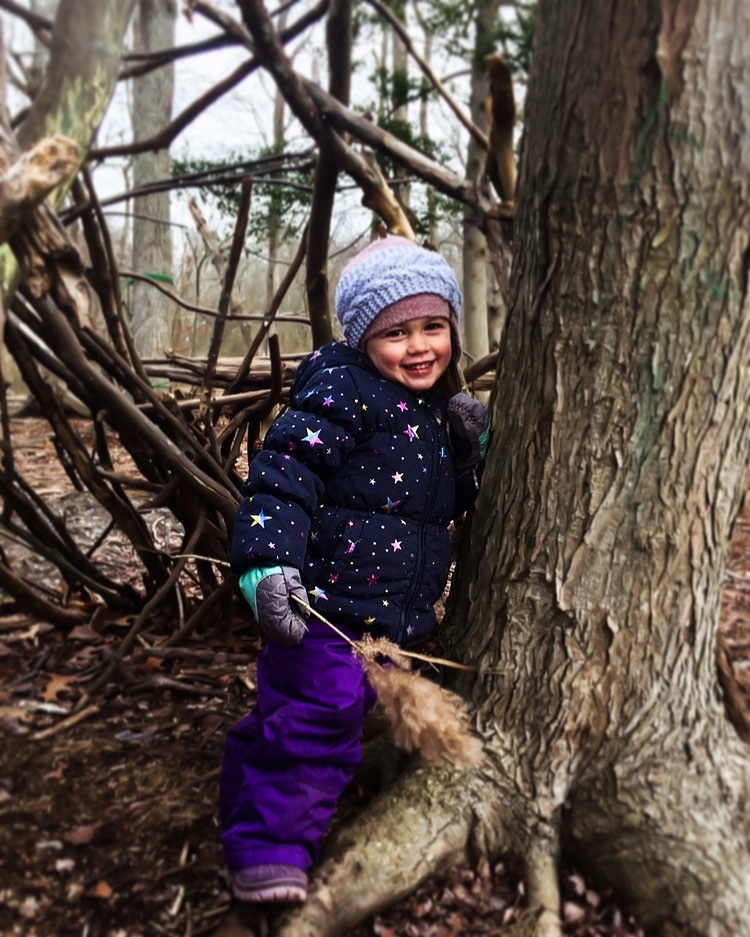
What is outer warmth?
Outer warmth is how we keep our physical bodies warm. For adults, this concept seems like second nature and often requires little thought process at all – when we’re cold, we bundle up; but for young children, this can be a bit more complicated. Young children actually lack the ability of recognizing when they are “cold” (most of the time). In turn, their bodies use up all of their energy to fight to keep warm, and less energy is left for other important things, such as outdoor playtime or even their immunity; a gateway to exhaustion and common illnesses.
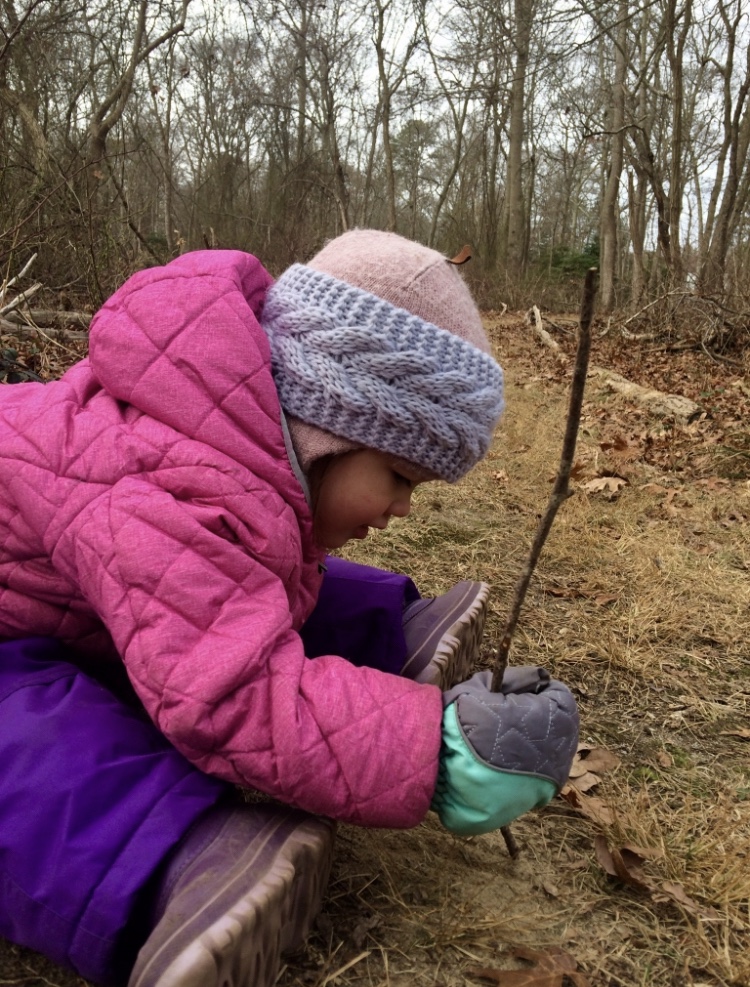
How can outer warmth be best supported?
Fortunately, there are many great ways to support outer warmth; the most important being to bundle up! Layers are essential during cold weather seasons. Our go-to are good quality base layers. Merino woolen base layers are hands-down my favorite choice to go on first! These are the layers that come in contact with the skin. Not only is merino wool a natural and breathable material; it’s also super soft, comfy cozy and temperature regulating! This means that your child’s energy will have to be sacrificed less on keeping her little body warm and more on playtime and enjoying the outdoors! These are our favorite woolen base layers; we’ve had the same set for 2 years and they are still like-new! The best part is, they are handed down to each child as each set is outgrown. Another plus side to these gorgeous woolens are that they are stretchy and seem to fit for a long while!
The next layer would be a simple shirt & leggings of some sort. Depending on the temperature is how many layers you will need; for colder temperatures I dress my children in a sweater and thermal pants over that, and very cold temperatures often call for a snowsuit on top. Insulated winter boots are a must, and wool socks go great to keep little feet warm. Covering the head is very important, as most of a child’s bodily heat is lost here! For this I’d recommend a good quality winter hat that covers the forehead and ears. Merino wool is a great option, since its breathable; but really, any material will do. Balaclavas for very cold temperatures help a ton; these go underneath the hat! As far as keeping little hands warm, mittens often work best as they help to retain the most heat with the fingers remaining closest together. Wet weather or snow requires waterproof mittens or gloves.
What is inner warmth, and how can it be supported?
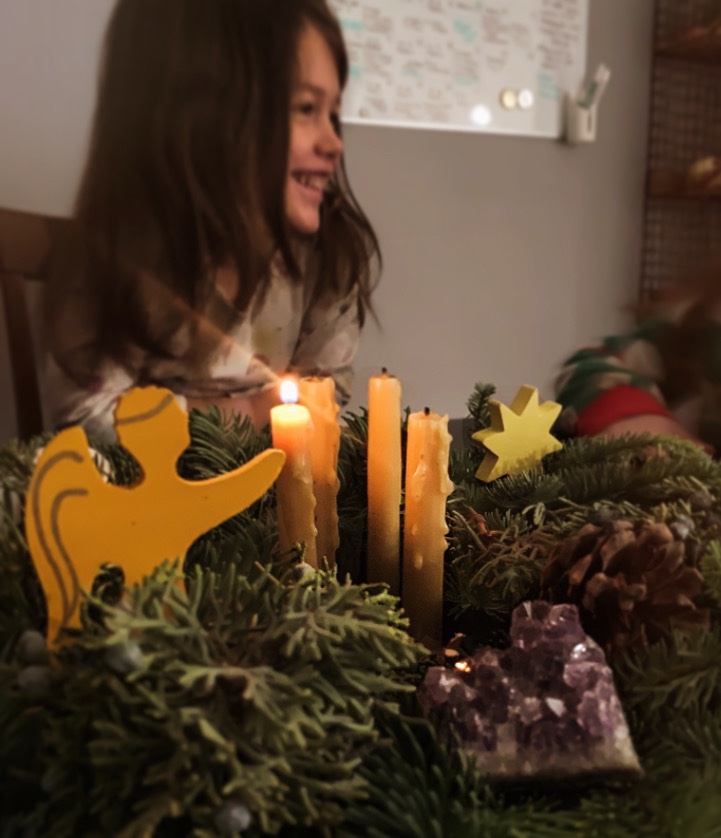
Inner warmth, in contrast to outer warmth, is more of an emotional feeling; it’s a feeding of the soul, so-to-speak. While our outer world turns dark and sleepy and cold, we metaphorically turn to our inner light to guide us. Think about it; warm herbal tea on a cold winter day, or sitting by the fire with a cozy blanket. Fire is an amazing element of inner warmth with a reflective soul quality, and we can find this through many things, including bonfires, fireplace or candles. In our family, we love to light a candle during each mealtime to bring reverence to our sweet gathering together. Warm foods and drinks, like freshly brewed herbal tea, warm oatmeal or homemade soup, are also strongly rooted in inner warmth. Spices with “warm” qualities, like nutmeg and cinnamon, are wonderful additions! Modeling beeswax, often used in Waldorf education, is a gorgeous activity for little ones as they are encouraged to use the heat of their own hands to soften the beeswax. I find that even singing together with my children is a source of inner warmth, along with sweet snuggles of course!
Warmth, both inner and outer, are so very important and essential for us as human beings; but especially for young children! Let us support this wholesome element in their lives as they grow, so that one day when they’re grown, they’ll know how to support this in themselves and their own families.
 Naturally Katey