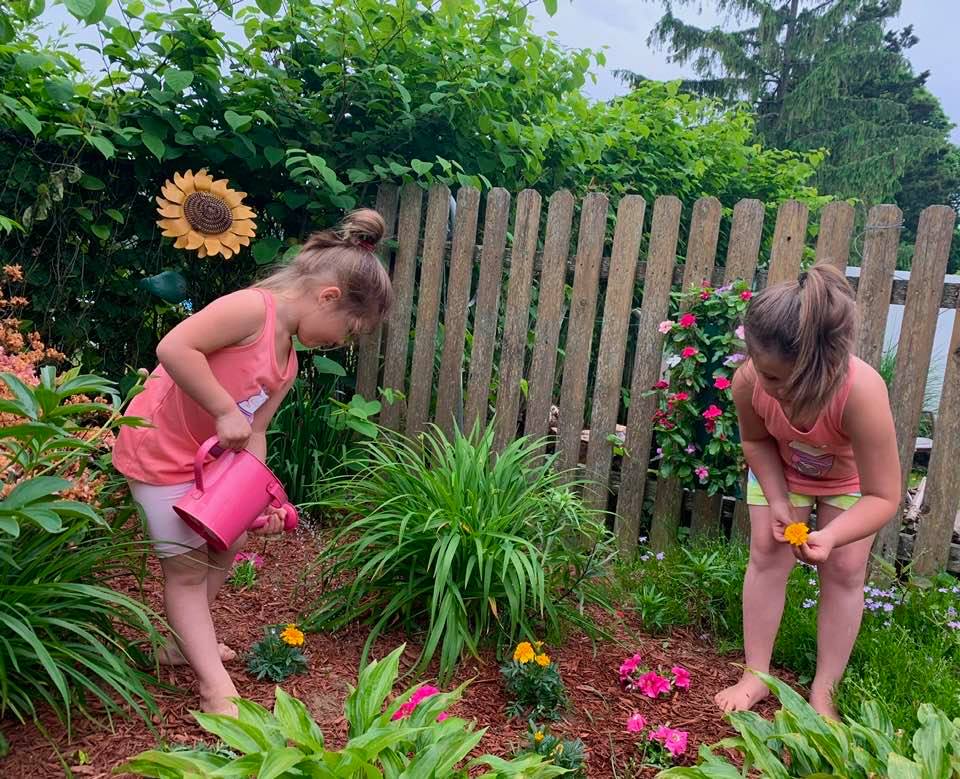
Nature has such a nurturing effect on children and adults of all ages. One of the many most effective ways of implementing nature-play for children is creating a play garden!
What exactly is a play garden, and why is it beneficial?
A play garden is a garden space in which children are not only allowed, but encouraged to freely play in. This can be any type of child-friendly garden; fill it with vegetables, fruits, flowers, herbs, you name it.
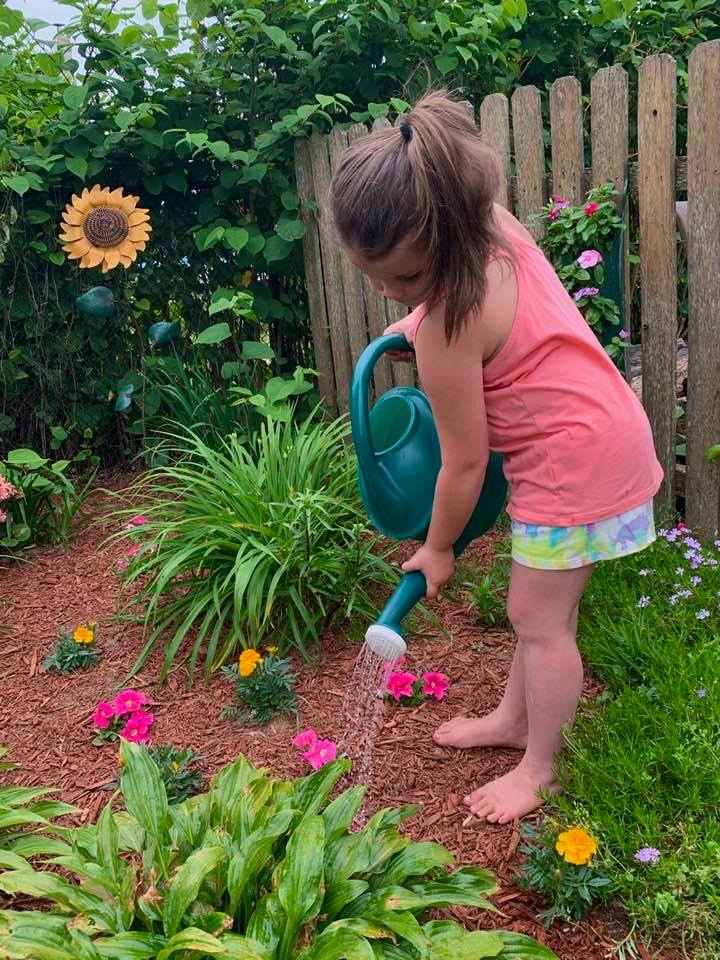
Creating your play garden: Consider inviting the children in your life to help garden alongside you! Not only does this create the opportunity for them to potentially witness the life-cycle of a seed, but it also allows them to feel a bit more connected to their new play space, as they’ve been able to help create it. Consider adding many different colors to the garden in order to grow it’s beauty and create a more enticing atmosphere. Adding a small dirt pit or a bean tee-pee is an awesome way to promote nature play! Mud kitchens are always a great idea (I’ll create a later post for this). If your beloved little humans enjoy fairies, adding a fairy village may also be a great idea. Tree stumps for a table and chair set always go nicely in a beautiful garden. If you live in an urban area or don’t have the space for a garden, surrounding a play space with potted plants is a great alternative. Adding the child’s favorite fruits, vegetables or what-have-yous is welcomed as well, since children typically love to pick some of what’s there off of their vines or stems and eat them! On the contrary, planting some nutritious less-desired foods might be a good idea, too. They might just start enjoying it once it becomes associated with play time!

Explore the health benefits: There are important health benefits that come along with spending time in a play garden. Many of these benefits are shared with the benefits of playing in the dirt, which of course go hand-in-hand with gardens. Health benefits include, but are not limited to: decreased anxiety, increased physical activity, reduced risk of childhood obesity, increased feelings of happiness, increased sensory development, opportunities for hands-on and play-based learning, reduced risk of near-sightedness, increased creativity, increased sense of autonomy, increased appreciation of nature, and perhaps most importantly, an increased sense of freedom.
So, there you have it. If you’ve been inspired to add a play garden to your home, please feel free to share your photos and experiences to our Facebook page!
 Naturally Katey